Body composition analysis is a method used to determine the percentages of different components that make up a person’s body weight. These components include fat, muscle, bone, and water.
Body composition analysis is typically done using various techniques such as skinfold measurements, bioelectrical impedance analysis (BIA), dual-energy x-ray absorptiometry (DEXA), and underwater weighing. These methods use different approaches to estimate the amount of fat and lean mass in the body.
Body composition analysis is important because it can provide a more accurate assessment of a person’s health status than just relying on body weight alone. For example, a person who weighs the same as another person may have a higher percentage of body fat and therefore be at a higher risk for certain health problems. By analyzing body composition, healthcare professionals can make more informed recommendations for weight management, exercise, and overall health improvement.
WHAT IS BMI ?
BMI stands for Body Mass Index. It is a numerical value derived from a person’s weight and height, and it is used as an indicator of whether a person’s weight is healthy or not.
BMI is calculated by dividing a person’s weight in kilograms by the square of their height in meters (BMI = weight (kg) / height (m)^2). The resulting number is then used to determine whether the person is underweight, normal weight, overweight, or obese according to standard ranges. For example, if a person weighs 70 kilograms and is 1.75 meters tall, their BMI would be 22.9.
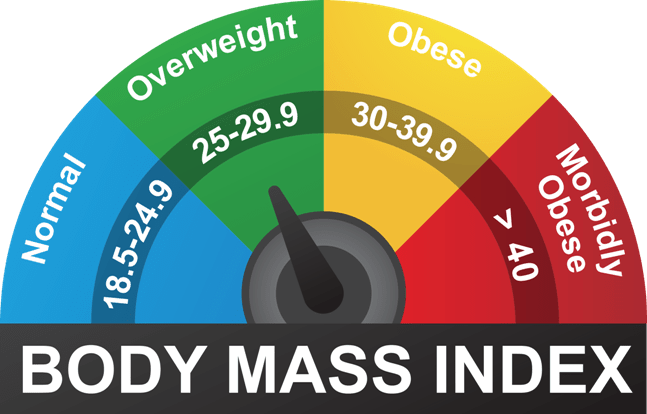
BMI is used as a screening tool to indicate whether a person is underweight, normal weight, overweight, or obese. The World Health Organization (WHO) has established the following categories based on BMI ranges:
Underweight: BMI less than 18.5
Normal weight: BMI between 18.5 and 24.9
Overweight: BMI between 25 and 29.9
Obese: BMI 30 or greater
While BMI can be a useful tool to assess general health status, it has limitations. It doesn’t take into account factors such as muscle mass, bone density, or body composition, which can affect a person’s weight and health. Therefore, it’s important to interpret BMI in conjunction with other measures of health, such as waist circumference, blood pressure, blood sugar levels, and cholesterol levels.
WHAT IS BMR?
BMR stands for Basal Metabolic Rate. It is the rate at which the body uses energy (calories) to maintain basic bodily functions at rest. These functions include breathing, circulation, temperature regulation, and the maintenance of organ function.
BMR is influenced by a variety of factors including age, gender, body size and composition, and genetics. It is typically measured in calories per day.
Knowing your BMR can be useful for determining your daily calorie needs for weight management. For example, if you consume more calories than your BMR, you may gain weight, while consuming fewer calories than your BMR may result in weight loss. However, it’s important to note that BMR is just one component of total energy expenditure, and physical activity levels, along with other factors, also play a role in overall calorie needs.
DIFFRENCE BETWEEN BMR ,BMI AND BMR.
BMR, BMI, and BCA are all different measures of body composition that are commonly used in the fields of health and fitness. Here’s what each term means:
BMR (Basal Metabolic Rate): BMR is the amount of energy (measured in calories) that your body needs to maintain its basic functions while at rest. This includes functions like breathing, circulating blood, and maintaining body temperature. BMR is influenced by a number of factors, including age, sex, weight, height, and muscle mass.
BMI (Body Mass Index): BMI is a measure of body composition that uses your weight and height to calculate your body fat percentage. It is calculated by dividing your weight (in kilograms) by the square of your height (in meters). A BMI between 18.5 and 24.9 is considered healthy, while a BMI over 25 is considered overweight, and a BMI over 30 is considered obese.
BCA (Body Composition Analysis): BCA is a more comprehensive measure of body composition that takes into account factors like body fat percentage, muscle mass, and bone density. There are several different methods for measuring BCA, including bioelectrical impedance analysis (BIA), skinfold thickness measurements, and dual-energy x-ray absorptiometry (DEXA) scans.
Overall, BMR measures the number of calories your body burns at rest, while BMI and BCA both provide information about your body composition, with BMI being a simpler calculation based on weight and height, and BCA being a more comprehensive measure that takes into account multiple factors


 fitwithus